Orna: Fantasy Turn‑Based RPG
- 4.6
- Rating
- 1.00M
- Installs
- Free
- Price
 Analysis by App-foxy
I first noticed Orna: Fantasy Turn-Based RPG because it treats a role-playing game less like a short burst of entertainment and more like a world you can keep returning to. Developed by Northern Forge, it combines turn-based battles, character progression, dungeon exploration, and online role-playing elements in a way that feels unusually suited to small, regular sessions. I can play a few encounters when I have a spare moment, then return later with a clearer plan for my character rather than feeling that I have simply used up another round of energy.
That makes it interesting in a household where people share a device or compare games with one another. It is free to start, rated Teen, and available on Android devices running version 6.0 or later. The game has built a sizable audience, with over one million installs and a 4.6 average from around seventy-three thousand ratings. Those figures do not replace personal experience, but they match my impression that this is a mature, actively played mobile RPG rather than a disposable fantasy theme wrapped around repetitive tapping.
How Orna fits into shared everyday play
A realistic use case is a shared tablet in the living room. One person might play during a short break, leave the device available, and another household member can use it later for their own turn-based battles. The game does not demand that everyone sit down for a long session at the same time, which is a real advantage when schedules do not line up. I found that its deliberate combat gives me enough time to think, so I am not punished simply because someone interrupts me or asks to use the device.
You May Also Like

 Blood Strike: 2.5 Anniversary
Blood Strike’s Loadouts Turn Every Drop Into a Tactical Gamble
A close look at Blood Strike’s custom loadouts: how fast access to signature weapons reshapes its battle royale rhythm, rewards preparation, and narrows the gap between fights.

 Pandora - Music & Podcasts
Pandora’s Music Is Easy to Start, but Harder to Recover
Pandora’s strength is its low-effort path from a seed to a station. Its weak spot is how much confidence it asks you to place in connection, setup, and quiet recovery.

 8 Ball Pool
 Is Built on Rivalries, Rematches, and Routine
A close look at the rivalries, rematches, shared routines, and unanswered safety questions that turn a quick pool match into a persistent mobile community.

 Samsung Music
’s Quiet Strength Is Playing What You Already Own
Its reach comes less from spectacle than from dependable access to a personal library. That simplicity is both the app’s strongest retention engine and its ceiling.

 AccuWeather: Weather Radar
AccuWeather Review: A Quick, Clear Forecast for Everyday Decisions
For everyday plans, the best forecast is the one you can understand quickly. AccuWeather makes rain timing, radar, and local conditions easy to act on, with a few trade-offs.

 Hill Climb Racing
Why Hill Climb Racing Still Turns Crashes Into One More Run
A tiny car, a bumpy hill and one more upgrade: Hill Climb Racing keeps resurfacing because its simple chaos makes every near-miss feel personal.
More From Our News Desk



At the same time, I would not treat a shared device as if it automatically creates a shared game account. Character progress, choices, equipment, and any purchases belong to the active player’s game experience. In practice, the household needs a simple rule: check whose character is open before starting a battle, changing equipment, or spending anything. That sounds obvious, but it matters more here than in a casual puzzle game because progression decisions can shape how a character develops.
I also like that the game’s turn-based structure makes handoffs less stressful than in a real-time multiplayer title. A family member can finish a battle before passing the device over, rather than abandoning a live match. However, the online role-playing side means that people should still coordinate before joining activities together. A shared screen is convenient; it is not the same thing as several separate players having independent characters and schedules.
For me, the best household arrangement would be one player using a personal device and another using the shared tablet, each keeping clear track of their own progress. If only one device is available, I would recommend agreeing on separate play windows and avoiding purchases or major character changes unless the correct person is holding the device. That small habit prevents most of the confusion that can arise when a long-term RPG is treated like a communal save file.
What the first sessions actually feel like
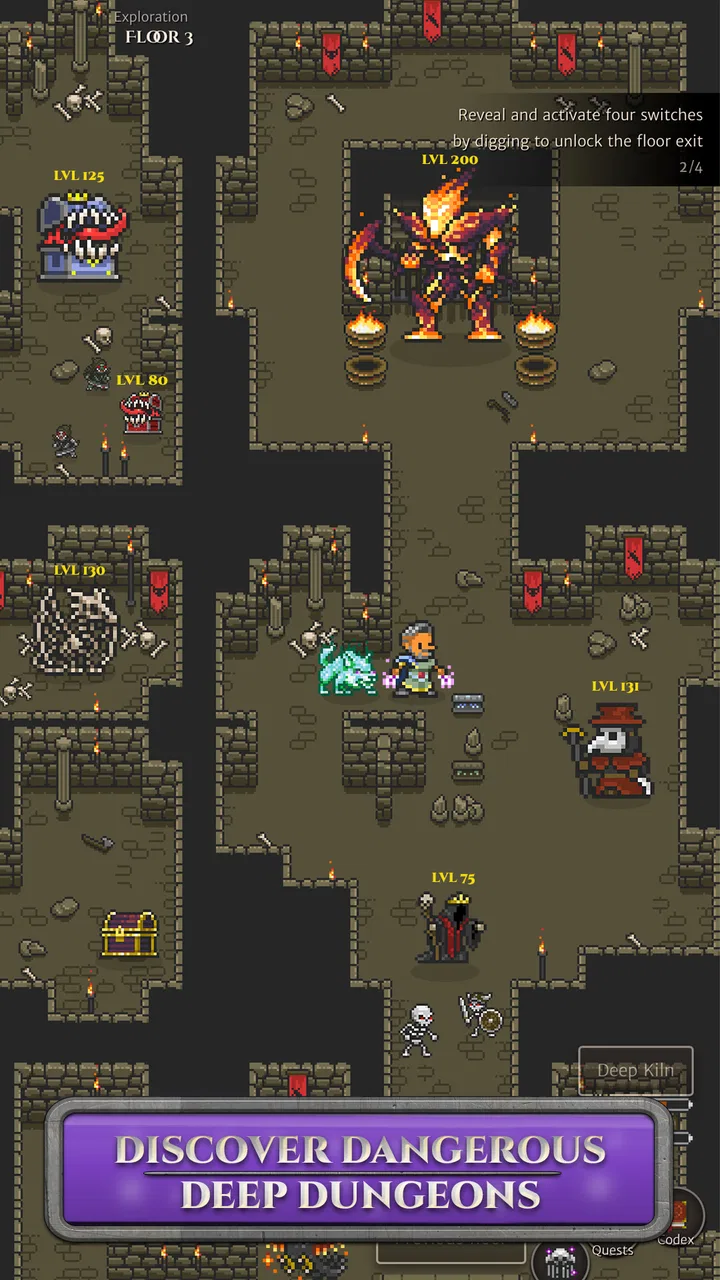
The opening experience is easier to understand if you approach it as a long-term character project rather than a game that explains everything immediately. You choose a role, fight enemies in turn-based encounters, collect or improve equipment, and gradually learn which decisions suit your preferred style. I enjoyed the pace because every action has a purpose. Attacking, defending, using abilities, and managing resources feel like choices rather than decorations placed between automatic animations.
There is a learning curve, especially when several systems begin to overlap. A player who expects a simple dungeon crawler may initially wonder which upgrades deserve attention and which rewards can wait. My advice is to avoid trying to optimize the entire character from the first session. Test the available abilities, notice which battles cause trouble, and make changes in response to what you actually encounter. That approach is more forgiving than copying a build before understanding how it feels.
The fantasy setting also benefits from the slower rhythm. I can play while waiting for an appointment or during a quiet evening without needing to commit to a full console-style session. Yet the game still gives me reasons to return, because exploration and character growth are connected to decisions made over time. This is one of its strongest qualities: it turns a few minutes into meaningful progress without making every session feel identical.
Keeping characters and household boundaries clear
When more than one person uses the same device, the most important setup task is not technical; it is organizational. Decide who owns the active character, where that person stops playing, and whether anyone else is allowed to adjust equipment or spend currency. I would also avoid leaving the game open on a purchasing screen. In-app items range from $0.99 to $29.99 each, so a quick tap made by the wrong household member can have a real consequence.
That price range is another reason I prefer treating the free version as the main evaluation period. I can learn whether the combat, exploration, and progression suit me before considering optional spending. The game does not need to be approached as a purchase from the beginning. For a family, I would make the rule even simpler: nobody buys anything without asking the person responsible for the account or device. This is basic household coordination, but it is especially useful in a progression-focused RPG.
I would also keep expectations realistic about account boundaries. A separate person should not assume that taking turns on one screen creates a separate profile. If independent progress is important, each player should have a clearly separated way to play. If that is not possible, the game is better treated as one person’s character that others may watch or discuss, not as a family save that everyone edits freely.
That distinction affects how enjoyable the game feels. A younger player may want to experiment with classes or equipment, while an older player may be carefully building toward a particular style. Both approaches are valid, but combining them on one character can make neither person happy. I found that Orna rewards consistency, so a little planning before sharing is worth more than trying to repair a confused character later.
Coordination matters more than reflexes
One of the less obvious strengths is how well the turn-based design supports conversation. In a household, someone can watch a battle and suggest a different ability without needing to shout instructions during a fast action sequence. That makes it a good game for a parent and teenager to discuss, or for two friends to compare approaches while taking turns. The conversation becomes part of the experience because the game leaves room to think.
Still, advice should not become control. I had more fun when I treated recommendations as experiments instead of insisting that one build was the only correct answer. A character designed for a particular player’s habits may perform better for that person than a supposedly stronger arrangement that feels awkward. This is especially important when different household members have different tolerance for planning, repetition, or difficult encounters.
The online role-playing elements add another layer of coordination. Raids and group-oriented activities can make the world feel larger than a solo dungeon, but they also make timing and communication more important. I would not promise a child that other players will always be available at a convenient moment, nor would I assume that a shared device is enough preparation for cooperative play. The household should agree on when group activities are appropriate and whether the player is ready to interact with a broader online community.
For everyday use, I found a simple routine helpful: play solo content when time is uncertain, reserve group activities for a moment when interruptions are unlikely, and stop before handing the device to someone else. That avoids the awkward situation where one player leaves a cooperative activity unfinished or another person opens the game without knowing what is happening. It is a small workflow, but it makes the online side feel much more manageable.
Teen rating, trust, and the right kind of supervision
The Teen content rating is worth taking seriously, particularly in a shared household. The fantasy combat is central to the experience, and the online role-playing aspect means the game is not only about fighting computer-controlled enemies in isolation. I would introduce it to a teenager who already understands basic online etiquette and can follow clear rules about communication, spending, and sharing personal information.
I would not present it as a young child’s first game simply because the battles are turn-based. The slower pace may look harmless, but the deeper issue is judgment: knowing when to stop, understanding that other players are strangers, and recognizing that optional purchases are not necessary for enjoying the core loop. Those conversations are more useful than hovering over every battle.
Because there is no substitute for trust and clear household expectations, I would set boundaries before installation. Decide whether online interaction is allowed, when the game can be played, and who handles purchases. If the player uses a shared device, explain that opening another person’s character or changing their equipment is not acceptable without permission. These are practical boundaries rather than assumptions about special family tools, and they work regardless of who owns the phone or tablet.
I also appreciate that the game can support quiet, reflective play instead of constantly demanding rapid reactions. That makes it easier for a parent to discuss decisions with a teenager and ask what the player is trying to achieve. The conversation can cover strategy, spending, and online manners naturally because all three are connected to the way the game is played.
Where it beats familiar mobile RPG alternatives
Compared with action-heavy mobile RPGs, Orna is less dependent on reflexes and visual spectacle. I can focus on choosing an action and understanding its result instead of chasing targets across a crowded screen. That makes it a better fit for players who enjoy planning, character building, and gradual discovery more than flashy combat.
Compared with lightweight idle RPGs, it asks more from me. Progress is not simply something that happens while I check in for rewards. I need to make decisions, pay attention to encounters, and think about how my character is developing. That extra involvement is exactly why I remember sessions more clearly, but it also means the game may feel too demanding for someone who wants a completely passive experience.
It differs from many traditional dungeon crawlers because the role-playing layer extends beyond a single short campaign. The long-term structure gives returning players more room to experiment, while the online dimension adds a sense of a broader shared world. The trade-off is that the number of systems can feel less immediately tidy than a compact premium game with a fixed beginning and ending.
I would choose a simpler offline RPG for a child who needs a tightly controlled experience, or for someone who wants a game that can be completed without online considerations. I would choose a real-time multiplayer game for a group that values constant action and synchronized matches. Orna is strongest in the middle: thoughtful, persistent, and social, but still comfortable in short solo sessions.
Practical advice for getting more from the progression
My first useful tip is to treat equipment and abilities as a toolkit, not a permanent identity. If a battle exposes a weakness, change the approach and see whether the result improves. The point is not to cling to the first class or combination that seems effective. The game becomes more interesting when setbacks teach you something about your character rather than simply feeling like lost time.
Second, separate experimentation from important group activities. Try unfamiliar abilities during ordinary encounters, where the consequences are easier to understand. When coordinating with other players, use the setup you already know. This reduces the chance that a household member or online partner is affected by a last-minute experiment.
Third, use short sessions deliberately. I found that opening the game with one clear purpose works better than wandering through every menu. I might focus on a few battles, review equipment, or prepare for a particular activity. That habit keeps the game from swallowing an entire evening and makes it easier to stop when someone else needs the device.
Finally, do not confuse a high rating with a guarantee that every player will enjoy the same pace. The audience response is encouraging, and the game has around six thousand six hundred written reviews alongside its broad rating base, but personal fit still depends on patience. Players who dislike repeated progression, planning, or learning layered systems may feel more comfortable with a shorter, more direct RPG.
Performance, longevity, and what the free model means
The current version is 3.24.1, and the Android requirement of 6.0 or later makes it accessible on a wide range of devices. That does not mean every older phone will feel equally comfortable, especially when a household device is already used for many demanding apps. I would install it, play through the opening, and check whether menus, battles, and exploration feel responsive before deciding that the device is a good shared home for it.
The free entry point is a genuine advantage. I can find out whether the combat and long-term progression appeal to me without paying up front. The presence of in-app purchases means I would still establish spending boundaries immediately, particularly on a device used by several people. The game is easier to recommend when everyone understands that optional purchases should be a deliberate choice rather than part of ordinary experimentation.
Longevity is where the game makes its strongest case. It is not built only around finishing a short sequence of levels and moving on. The combination of character development, exploration, and online activities gives committed players reasons to continue. That can be satisfying for someone who likes having a persistent hobby on a phone, but less attractive to someone who prefers a clean ending and a game that stays out of daily routines.
I also think the long-term design changes how progress should be judged. A slow session is not necessarily a bad session. Sometimes learning which ability works, preparing equipment, or deciding whether to join a group activity is valuable even without a dramatic reward. Once I accepted that, the game felt less like a checklist and more like a personal campaign.
My household verdict
I recommend Orna to households that can keep character ownership and spending clear. It works particularly well for a teenager or adult who enjoys fantasy role-playing, deliberate battles, and a world that grows through repeated visits. The ability to play in short bursts makes it practical, while the deeper systems give discussions between family members more substance than a quick arcade game would provide.
I would be more cautious if several people expect to share one character equally, if a younger child cannot reliably follow online safety rules, or if the household wants a completely offline experience. I would also skip it for someone who wants instant action with almost no reading or planning. The game’s patience is a strength, but only when the player actually enjoys making decisions over time.
My final recommendation is to begin with one clearly assigned player, one agreed play schedule, and no rushed purchases. Let that player learn the combat and progression before inviting others to advise or join group activities. If the household later decides that the game suits everyone, coordination becomes easier because the basic boundaries are already in place.
For me, the appeal is not simply that it is a free role-playing game. It is that Northern Forge has made a mobile RPG where a few thoughtful choices can matter, where shared discussion feels natural, and where long-term progress does not require constant real-time attention. It is best enjoyed as a personal fantasy journey that can be discussed with others, not as a communal save file with no boundaries.
FAQs for Orna: Fantasy Turn‑Based RPG
01What is Orna: Fantasy Turn-Based RPG about?
Orna: Fantasy Turn-Based RPG is a location-based game that combines classic turn-based RPG mechanics with GPS technology. Players can explore the real world while battling monsters, collecting loot, and capturing territories. The game offers a retro pixel-art style, adding a nostalgic feel for RPG fans.
02Is Orna: Fantasy Turn-Based RPG free to play?
Yes, Orna is free to download and play on both Android and iOS platforms. However, it does offer in-app purchases for various items and enhancements. These purchases can enhance gameplay but are not necessary to enjoy the core experience of the game.
03Does Orna require an internet connection?
Yes, Orna requires a stable internet connection to function properly. The game uses GPS to track your real-world location and provide you with in-game experiences based on your surroundings. An active connection ensures smooth gameplay and accurate location-based events.
04How does the location-based aspect of Orna work?
Orna uses your device’s GPS to integrate real-world locations into the gameplay. Players can find monsters, dungeons, and other players in their vicinity. This feature encourages exploration and adds a unique dimension to the RPG experience, making each player's journey unique.
05Can I play Orna with friends?
Yes, Orna includes multiplayer features that allow you to interact with friends and other players. You can join parties for cooperative play, compete in PvP battles, and even participate in guilds. These social features enhance the community aspect of the game, offering more collaborative and competitive gameplay options.
Pros
- Engaging turn-based combat system.
- Rich lore and immersive world.
- Frequent updates and events.
- Offline gameplay available.
- Customizable character classes.
Cons
- Graphics may feel outdated.
- Can be grind-heavy at times.
- Limited tutorial for beginners.
- Some features require paid tiers.
- Occasional server connectivity issues.

Orna: Fantasy Turn‑Based RPG
Gallery